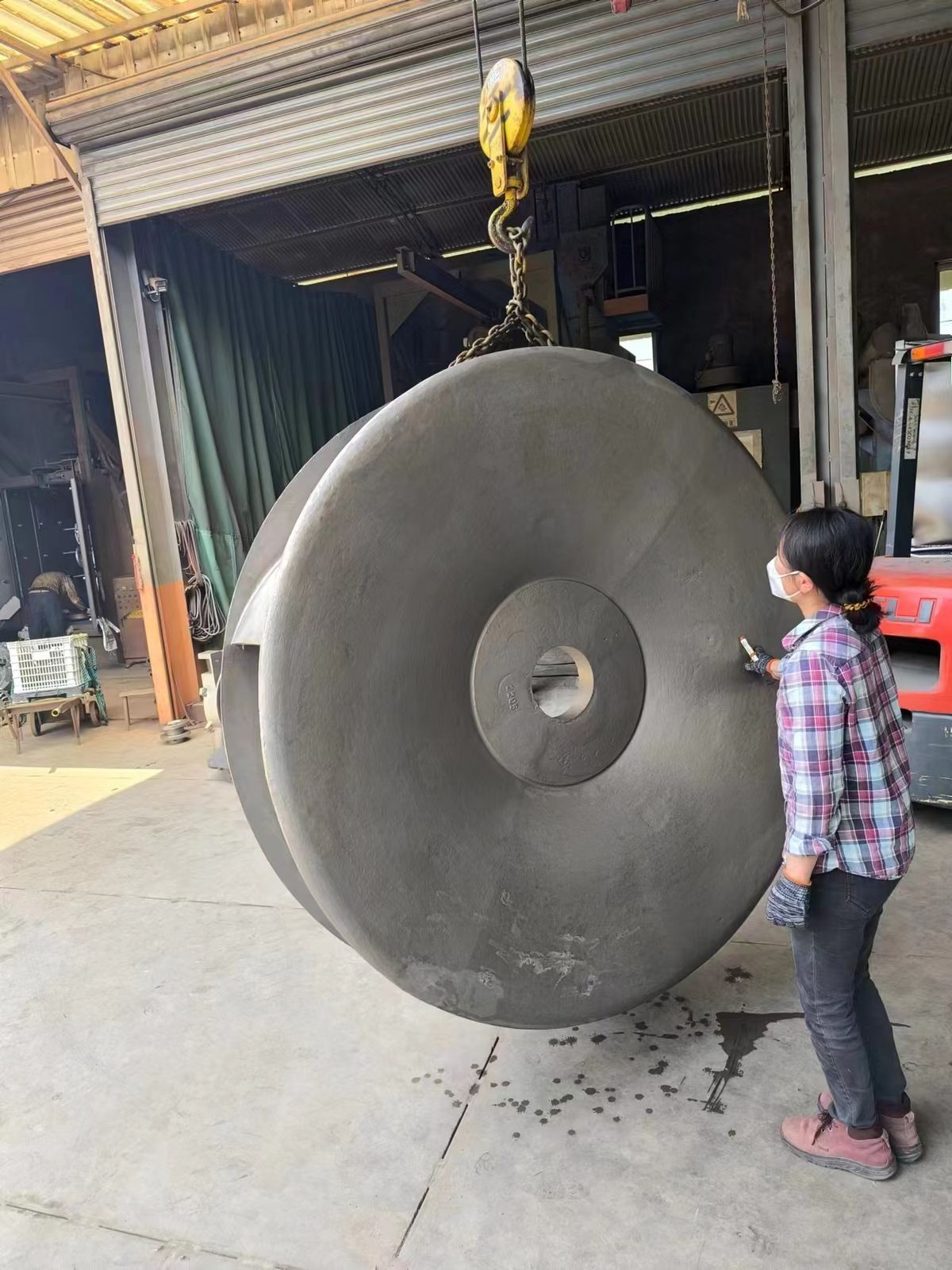
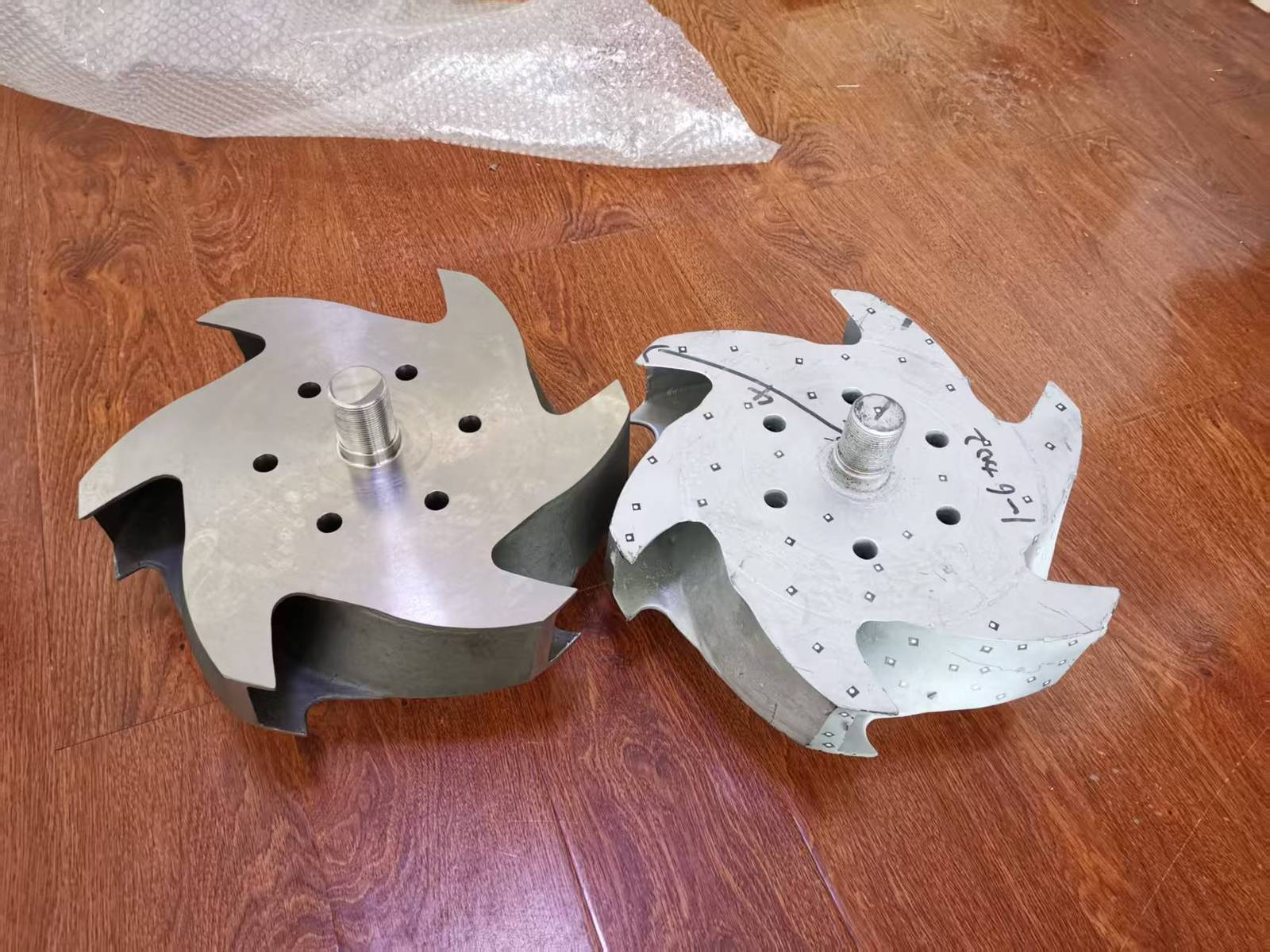
Reverse Engineering · Obsolete and Undocumented Pump Parts · Built From Your Sample
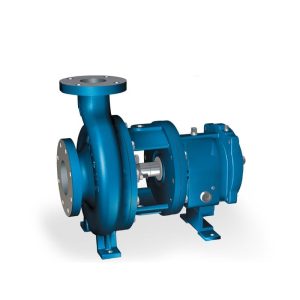
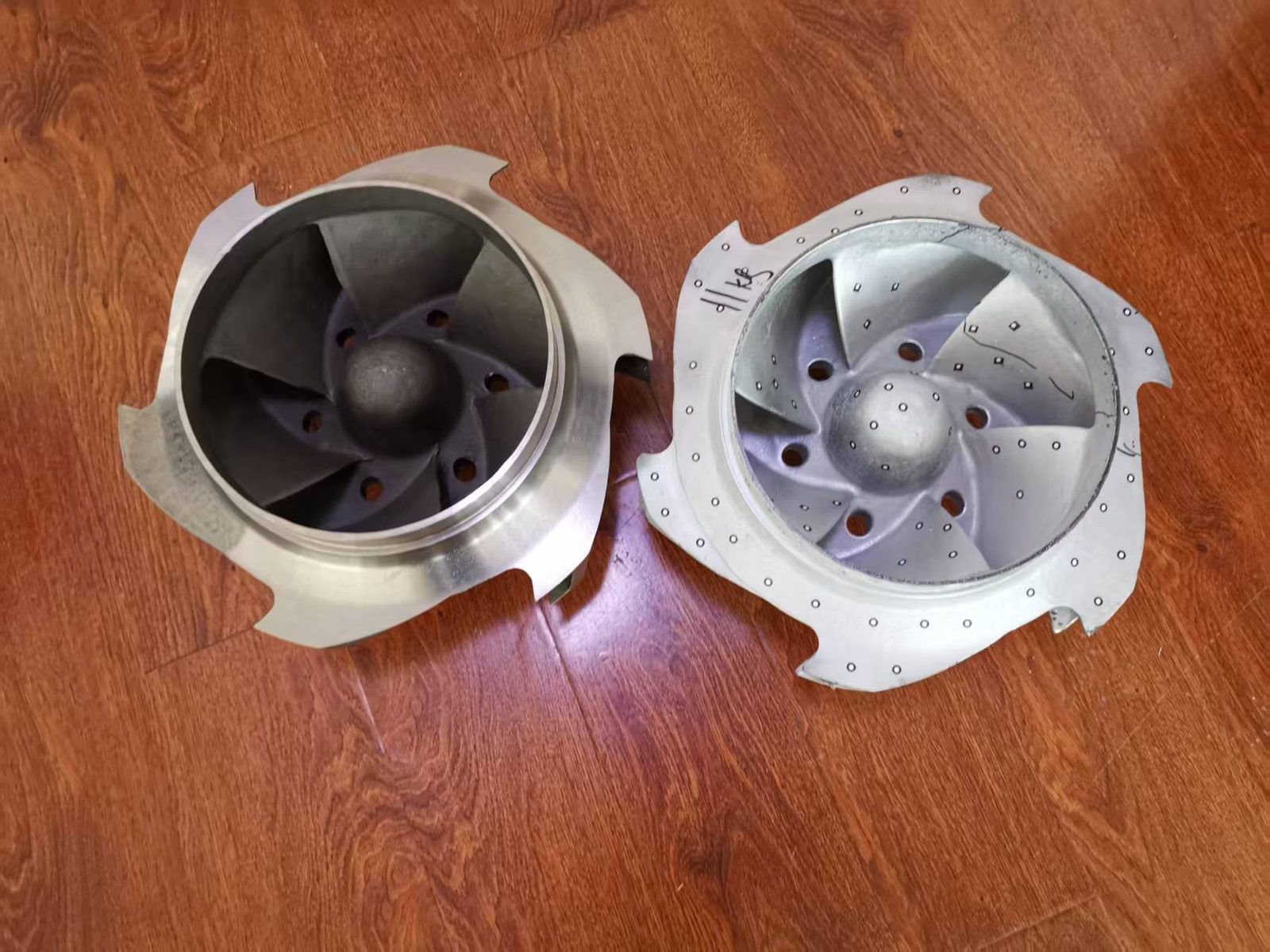
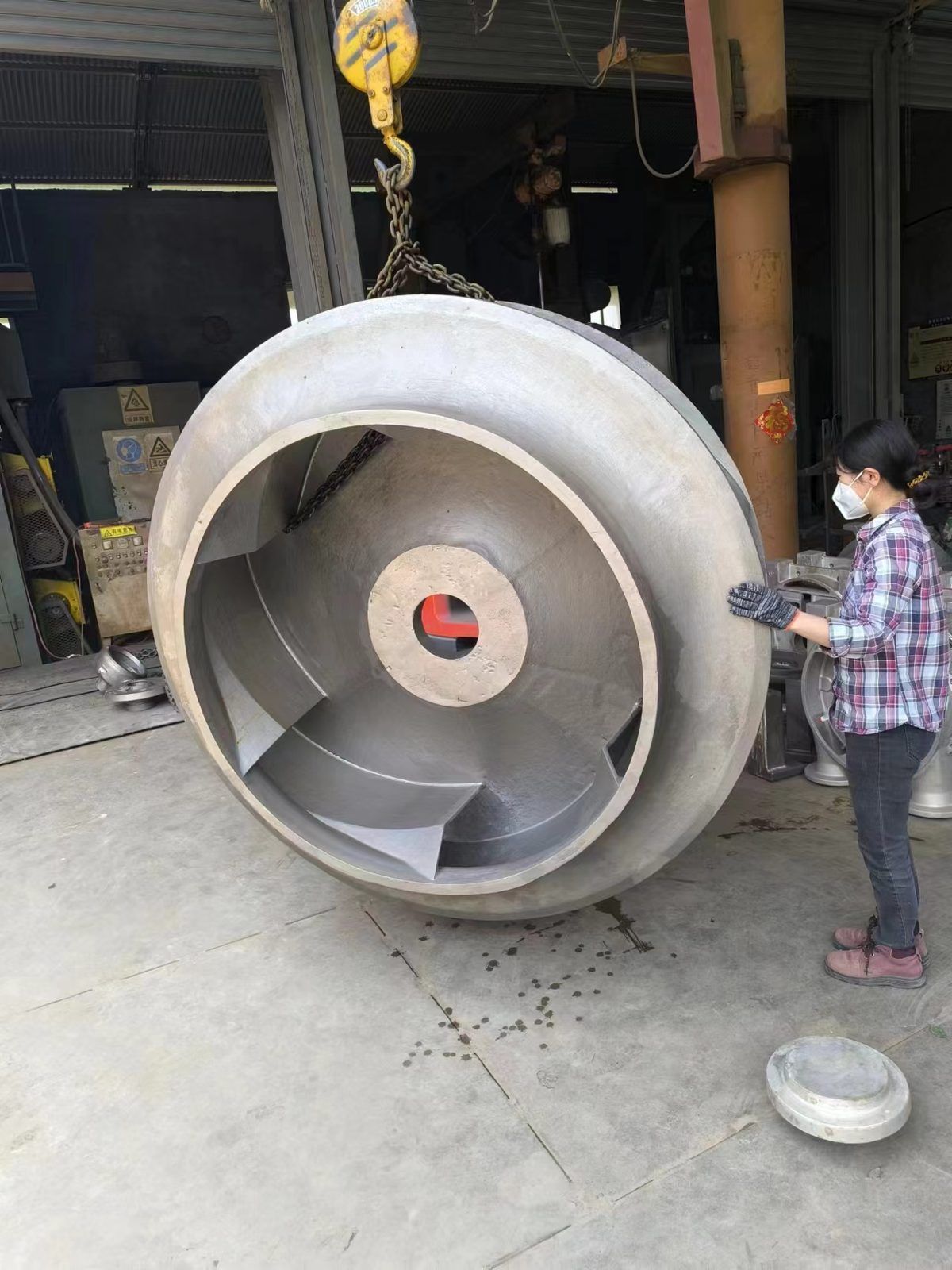
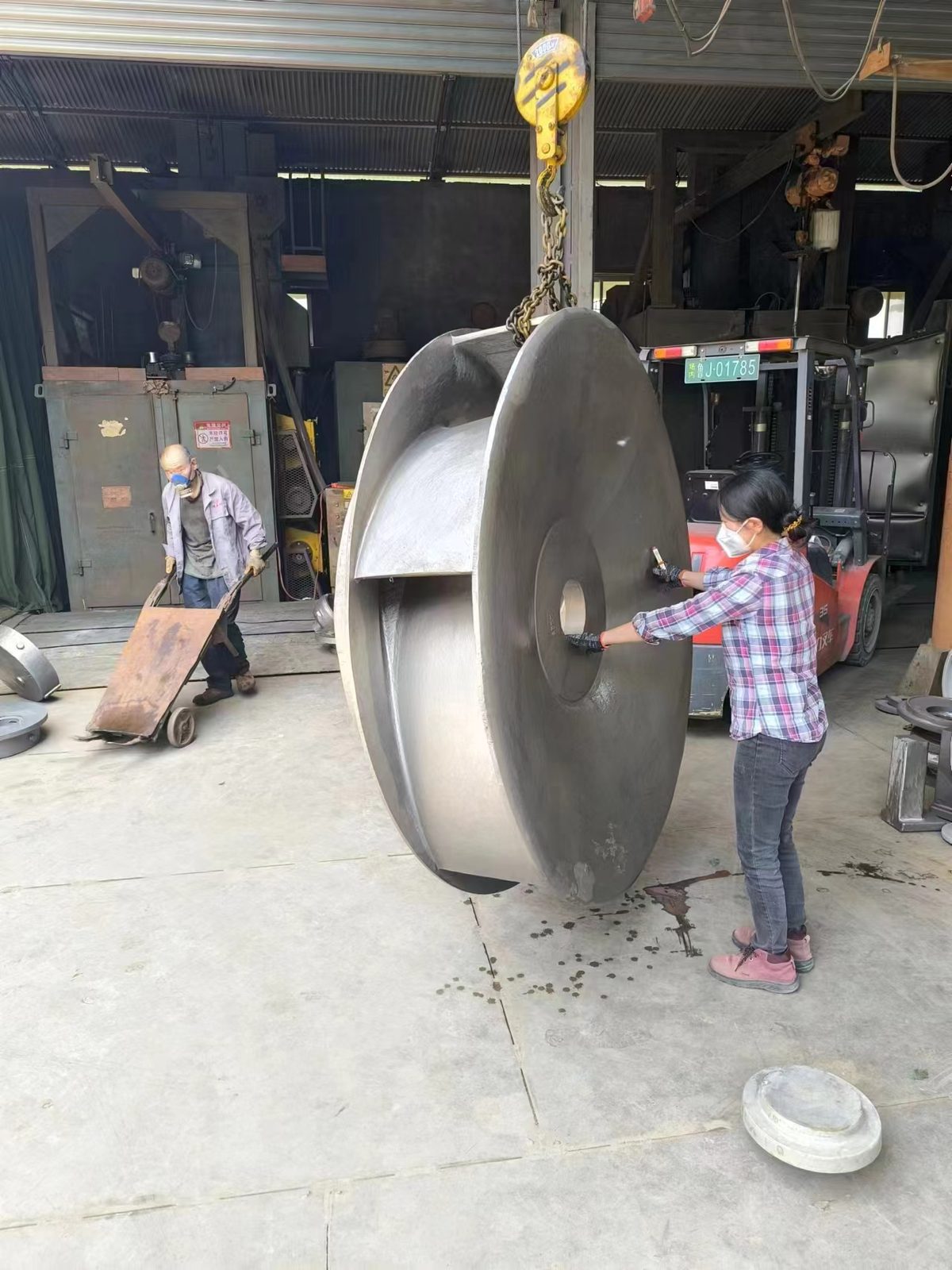
Pumps outlive their spare-parts programmes. When a casing, impeller or rotating element is no longer catalogued, when the drawings never reached the plant, or when the original builder has left the market, the part can still be reproduced from the worn component itself. YSM reverse engineers cast and machined pump parts against the customer’s sample, drawing or supplied dimensions: the geometry is digitised and re-drawn, wear is compensated, tooling is made in-house, the casting is poured in an alloy confirmed by analysis, and the finished part is machined to the approved drawing before it ships. This page sets out which parts suit the route, what YSM needs to start, how the work runs, and what is documented.
When Reverse Engineering Is the Right Route
Reverse engineering is not the answer to every spare-parts problem. Where a part still belongs to a current, standardised pump family, a catalogue replacement is the faster route — that is what the replacement parts programme covers. Reverse engineering earns its place when the part itself is the only remaining reference.
Typical situations
The part cannot simply be ordered
- The pump model has been discontinued, or the size has been dropped from the current range
- The original manufacturer no longer trades, or no longer supports that generation of pump
- No drawings or part numbers exist on site, and the nameplate is missing or illegible
- The quoted delivery for an original spare does not fit the outage window
- One or two components are worn out in a pump that is otherwise sound
- The part is needed in a material other than the one originally supplied
Why not replace the whole pump
Replacing the unit brings the installation with it
Replacing a complete unit rarely stops at the pump. Where the pump is a standardised type — ANSI/ASME B73.1 or ISO 2858 / 5199 — a current unit of the same size will normally sit on the existing baseplate, and replacing it in kind is a fair option to price. The case for duplicating the component is strongest on non-standard, purpose-built and discontinued designs, and on sizes dropped from the current range: there the nearest available pump rarely matches the old mounting and connection dimensions, and once the shaft centre height or the nozzle positions move, a new baseplate and coupling are needed, usually a new motor with them, and the pipework and foundations have to be altered to suit. Duplicating the worn component leaves the installation as it is.
Where the duty has genuinely changed, or the hydraulics were wrong for the service to begin with, YSM will say so and quote a suitable pump from the standard programme instead of copying a part that will wear out the same way.
Parts YSM Reverse Engineers
| Component | Reference normally used | Notes |
|---|---|---|
| Volute casing, casing halves, casing cover | Sample, plus dimensions supplied for the mating parts that stay in service | Flange faces, register diameters, nozzle centrelines and bolt pattern are taken from the sample and from the dimensions supplied for the mating parts |
| Impeller (closed, open, recessed, double-suction) | Sample, plus the duty point or pump curve where available, and the mating casing and wear-ring dimensions where those parts stay in service | Worn vane and shroud surfaces are marked on the drawing, and the recovered profile is checked against the duty and the curve before the dimension is agreed |
| Casing and impeller wear rings | Sample, or dimensions supplied for the mating parts | Running clearances set against the casing and impeller actually supplied |
| Shaft and shaft sleeve | Sample, plus supplied bearing, seal and coupling dimensions | Seal and bearing fits confirmed against the components being reused |
| Bearing housing, bearing frame, end covers | Sample | Bearing seats and oil or grease arrangement matched to the existing build |
| Stuffing box, seal chamber, gland and follower | Sample, plus the seal or packing specification | Can be re-drawn for a mechanical seal in place of packing when asked |
| Backplate, adapter, support foot | Sample | Mounting interfaces kept to the existing pump |
| Complete rotating assembly | Sample assembly, or the individual parts | Supplied assembled and balanced, ready to fit into the existing casing |
| Complete pump, bare shaft | Sample pump plus duty data | Where the whole unit is obsolete and the foundation and pipework are to be kept |
Cast components are the natural candidates for this route. Parts that are readily available as standard commercial items — bearings, mechanical seals, fasteners, O-rings — are bought in to the original specification rather than reverse engineered.
From Sample to Finished Part
Sample and data review
The part, or photographs with basic dimensions, is reviewed against whatever identification exists: nameplate, part number, drawing fragment, or the pump it came out of. YSM confirms at this stage whether the geometry can be recovered from what is available, and says so plainly when it cannot.
Dimensional recording
The component is measured and re-drawn: cast surfaces and vane profiles are digitised with 3D scanning or coordinate measurement, and machined features are measured directly. Interfaces that decide whether the new part will fit — shaft fits, register diameters, bolt circles, flange faces, nozzle centrelines, running clearances — are taken from the sample together with any dimensions the customer is able to measure on the parts that stay in service.
Wear compensation and drawing approval
Worn surfaces are not copied as found. Where a surface has worn, the intended dimension is taken from the unworn sections of the same part and from the components it mates with, and every dimension recovered that way is marked on the drawing. The drawing is issued for the customer’s approval before any tooling is cut, and any point the sample cannot settle is listed on it as an open item rather than assumed. On impellers the recovered profile is checked against the hydraulics before it is fixed: the vane inlet and discharge angles read from the model are compared with the duty, and the head calculated from the exit geometry and the speed is checked against the pump curve, so a vane that has worn, or been trimmed at some point in service, is corrected rather than reproduced as found.
Pattern and tooling
Patterns for non-standard and obsolete parts are made in-house, with foundry shrinkage and machining allowance built into the tooling. Where the geometry is complex or the schedule is tight, 3D printed sand cores and moulds can take the place of part or all of the pattern work, so the foundry can work from the 3D model instead of waiting for a full pattern; which route is used is stated in the quotation.
Casting and material verification
Mould filling and solidification are checked in casting simulation software before the first pour, so feeding and gating are settled on screen rather than on the shop floor. The casting is poured in the agreed grade. Spectrometer and chemical analysis is run on the casting, and the certificate is issued against the grade named in the order. Where the original material is unknown, the sample itself can be analysed first and an equivalent grade proposed.
Machining, inspection and test
The casting is machined to the approved drawing. Impellers are balanced, pressure-retaining parts are hydrostatically tested, and a performance-curve test is run on the factory test bench when a complete pump is supplied. The sample is kept available for comparison while the part is made; whether it is then returned or held on file, and how return freight is handled, is set out in the quotation.

What to Send With an Enquiry
The part
Sample or measurements
- The component itself, which gives the fastest and most reliable result
- If it cannot be released, photographs from several angles with a scale in frame, plus overall and interface dimensions
- Any drawing, sketch or part number, even incomplete or superseded
- The material, if it is known; otherwise state that analysis is required
- Whether the part is to be copied as-is or improved in a specific respect
- Dimensions of the mating parts that stay in service — bolt circles, register diameters, flange faces, shaft and bearing fits — where you are able to measure them
The pump and the duty
Context that decides the geometry
- Pump make, model and size from the nameplate, and its serial number if legible
- Flow, head, speed and NPSH available, for hydraulic parts
- Liquid, concentration, temperature and solids content
- Seal arrangement: mechanical seal or packing, and any flush plan
- Quantity, whether a spare set is wanted, destination and the outage or target date
Anything not known can be marked as unknown. YSM will list what is still needed after the first review rather than hold the enquiry.
Materials
Parts are reproduced in the grade the service requires, which is not always the grade originally supplied. The list below is YSM’s standard foundry programme; other grades are reviewed on request.
| Group | Grades |
|---|---|
| Cast iron and ductile iron | Grey cast iron HT250; ductile iron QT400-18 |
| Carbon and low-alloy steel | WCB; cast steel ZG230-450 |
| Stainless steel | 316 stainless (CF8M); ZG1Cr18Ni9Ti; 2Cr13 |
| Duplex and high-alloy | CD4MCu; Alloy 20 |
| Nickel alloys | Hastelloy B; Hastelloy C-276; Nickel 200 |
| Reactive metals | Titanium Gr.2; titanium Pd7B; zirconium 702 |
| Copper alloys | Tin bronze ZCuSn10Pb1; silicon brass ZCuZn16Si4 |
Material selection is confirmed at quotation against the liquid, the temperature and the construction of the pump the part goes back into.

Inspection and Documentation
Checks carried out
- Spectrometer and chemical analysis of the casting
- Hydrostatic test of pressure-retaining parts
- Impeller balancing
- Performance-curve test where a complete pump is supplied
Documents issued
- Approved manufacturing drawing of the reverse engineered part
- Material certificate for the grade ordered, EN 10204 3.1 on request
- Test records for the material, hydrostatic, balancing and performance-curve checks
- Witness testing and third-party inspection by SGS, BV or TÜV accepted when specified in the order
Start With the Part in Front of You
Send the sample, or photographs with basic dimensions, together with the pump nameplate and the duty. YSM reviews whether the geometry can be recovered, states what else is needed, and issues a drawing for approval before any tooling is made. Where a pattern already exists for the size, the work runs to the standard replacement-parts lead time, counted from the deposit and the approved drawing; where new tooling is required, the delivery is quoted with the drawing.
Reverse Engineering FAQ
How is a reverse engineered part different from a catalogue replacement?
A catalogue replacement is made to a pattern YSM already holds for a standardised pump family, so it is quoted once the size, group, configuration and material are confirmed from the nameplate, drawing or sample. A reverse engineered part is made from your component: it is measured, re-drawn and tooled specifically for that pump. Use the catalogue route where the pump is still a current, standardised type, and this route where the part itself is the only reliable reference.
Which parts are worth reverse engineering?
Cast components carry the value: casings, impellers, wear rings, bearing housings, seal chambers, covers and complete rotating assemblies. Shafts and sleeves are routinely made the same way. Bearings, mechanical seals, fasteners and elastomers are standard commercial items and are bought in to the original specification instead.
What if the sample is badly worn or broken?
Wear is expected, and it is compensated rather than copied: the lost material is restored using the unworn sections of the part and the components it mates with. On an impeller the recovered profile is then checked against the duty: send the flow, head and speed, or the pump curve, and the vane angles and the calculated head are compared with it before the profile is settled. Broken castings can usually be worked from if the fracture faces still line up. Where a vane profile or a critical face has been lost beyond recovery, YSM will say so before quoting rather than guess at the geometry.
What if there is no sample at all?
A drawing, a sectional drawing with a parts list, or dimensions measured from the pump and its mating parts can be enough, particularly for shafts, sleeves and wear rings. Without either a sample or dimensional data, a hydraulic part such as an impeller cannot be reproduced with any confidence, and YSM will not quote one on guesswork.
Do you need the original manufacturer’s drawings?
No. The part is measured and a new manufacturing drawing is produced. If you do hold drawings, send them: they shorten the review and help resolve dimensions the worn sample cannot settle on its own.
Can the material be matched if nobody knows what it is?
Yes. The sample can be analysed by spectrometer and chemical analysis, and an equivalent grade from the standard programme proposed for your approval. Where the original material has proved unsuitable in service, an upgrade — for example CD4MCu or Alloy 20 in place of a plain stainless — can be quoted at the same time.
Will the new part fit the existing pump?
The part is made to the drawing you approve, and that drawing carries the interface dimensions taken from your sample and from any dimensions you supply for the components staying in service. Any dimension the sample cannot settle, and any deviation YSM proposes, is marked on the drawing before any tooling is made, so the interfaces are agreed on paper before the part is manufactured.
What happens to my sample, and to the tooling?
Your sample is kept available for comparison while the part is made. Whether it comes back to you or stays on file for future orders, and how the return freight is handled, is agreed in the quotation — say which you want when you send it. Where the material has to be identified, tell YSM if the sample must not be cut or ground for analysis. Pattern retention and the pricing of any repeat order are confirmed in the quotation.
Can anything be shortened when the outage date is close?
Within limits, yes. Where the geometry is complex or the schedule is tight, 3D printed sand cores and moulds can replace part or all of the pattern work, so the foundry can work from the 3D model rather than wait for a full pattern to be made. Pouring, machining and testing still take the time they take, and the achievable date is confirmed with the drawing rather than promised at enquiry.
What are the lead time and warranty?
Lead time depends on whether a pattern already exists for the size and on the material ordered. Where YSM already holds the pattern, delivery follows the standard lead time of about one week for replacement parts, two weeks for a bare wet end and four weeks for a complete pump, counted from the deposit and the approved drawings. Where new tooling has to be made, the delivery is quoted together with the drawing, once the material and quantity are fixed. Warranty is 12 months from shipment against defects in materials and workmanship within the reviewed duty, and late shipment attributable to YSM is compensated at 0.5% of contract value per week, capped at 5%.
What are the payment and delivery terms?
30% T/T deposit within 7 days of order, 70% T/T before shipment, or irrevocable L/C at sight; export-grade wooden-case packing; any Incoterms 2020 term (EXW Zibo, FOB Qingdao, CIF, DAP/DDP) as agreed in the quotation. Full terms: Commercial Terms
YSM Pumps (Jinan Yingsiman Machinery Co., Ltd.) is an independent, non-OEM manufacturer. Any manufacturer or model name used on this site or in an enquiry identifies only the equipment a reverse engineered part is intended to fit, and does not indicate any affiliation, sponsorship or endorsement. Hastelloy is a trademark of Haynes International; alloy trade names are used solely to identify the material grade supplied. Reverse engineering is offered for parts that are obsolete, undocumented or otherwise unobtainable; YSM does not reproduce parts that are subject to a third party’s current intellectual-property rights.